2023-11-29
珠中皇后-澳洲白珠
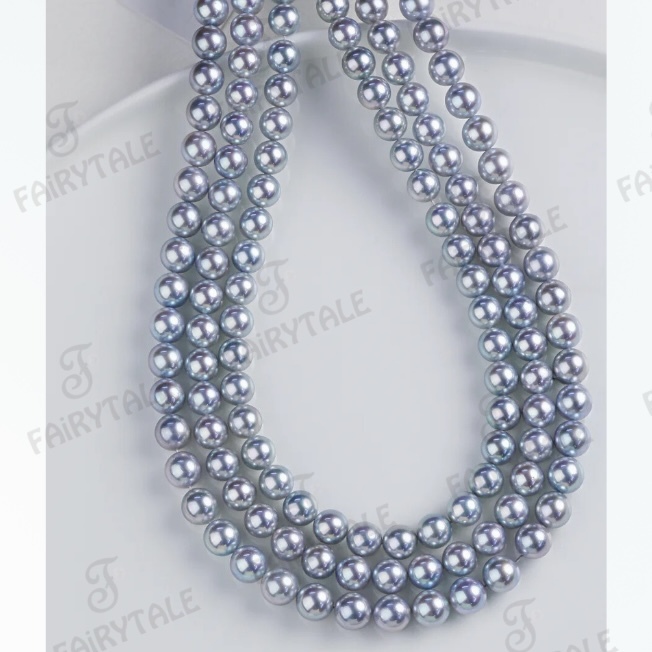
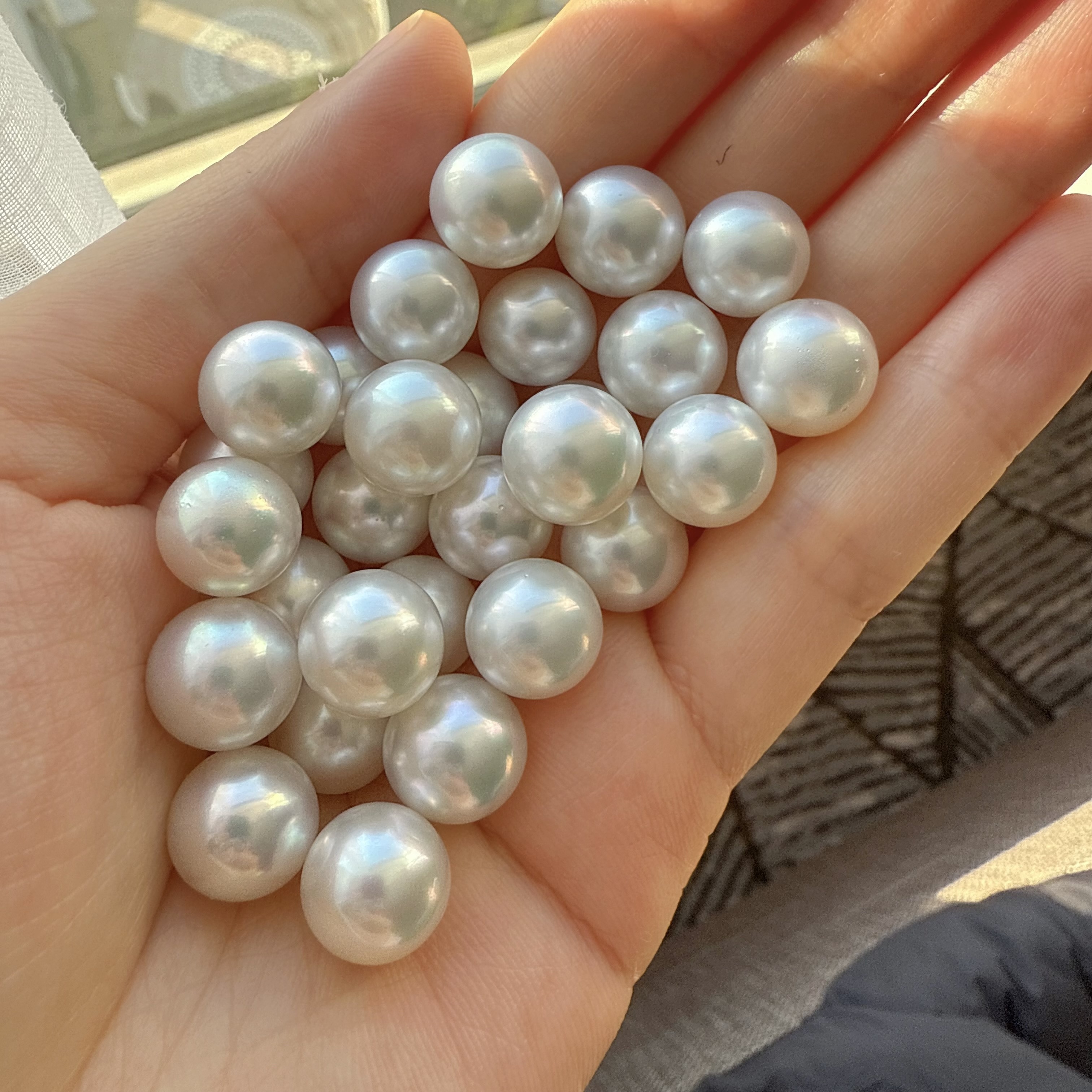
South Sea White Pearl提到南洋白珠,第一反應就是:價格貴,個頭大,產量低。南洋白珠母貝為白蝶貝,母貝本身體型比較大,所以白珠的整體直徑一般在10mm以上,基本在10-13mm之間,10mm以下和16mm-18mm的比較稀少,其母貝孕育時間很長,一般都是養殖5年。南洋白珠也是世界上最稀少的人工養殖珍珠。產量大減 價格高白蝶貝對水質和氣候的要求非常高,水質不好會直接影響南洋白的產量。南洋白的三大產地分別是澳大利西北部海域、印尼、菲律賓。其中澳洲南洋珠只產於澳洲西北部海岸的一小部分地區,該地區人煙稀少,水質清純,水溫適宜,海灣開敞,颱風罕至,優異的水域環境十分利於出產最高品質珍珠的白蝶貝,所以澳洲南洋珠是南洋珠中的極品。我們的南洋白珍珠也全部產自「澳洲南洋」,又稱「澳白珠」,而由於環境污染,現在適合養珍珠的海域正在日趨減少,這也是澳洲南洋珍珠市場價居高不下的原因。為什麼澳白珠那麼稀珍? 近年隨著電商直播帶貨模式的不斷發展,澳白珍珠的熱度持續飆高。自2023年開年以來,澳白有關話題在各大平台頻頻登上熱搜,帶起了一波又一波的購珠風潮,目前市場供不應求,價格更是水漲船高。 “物以稀為貴”,這一句話運用在澳白珍珠上再合適不過。每一顆澳白珍珠都來之不易,它不僅凝聚了母貝的勞動成果,也凝聚了每一個工作人員努力付出。 不同於淡水珍珠的母蚌,孕育澳白的白蝶貝非常難靠人工繁殖獲得,大多只能從海洋中進行捕撈,因此需要大量潛水人員潛入海裡去尋找合適的白蝶貝,用人成本十分高昂。 【圖片來源:Paspaley】同時,澳洲政府對母貝的捕撈量定制了嚴格的限額,每年只能捕撈一定數量的白蝶貝以保持生態平衡。此外,白蝶貝也是所有珍珠貝中生長週期最長的一種,一般在五年以上,且絕大多數母貝一生只能孕育一顆珍珠,可見每一顆澳白都難能可貴。 白蝶貝對生長環境的要求十分苛刻,需要生長在清澈純淨、溫度適宜、環境豐沃的水域中。在這種環境中生長的澳白珍珠才能擁有亮麗的光澤和細緻光滑的表面。因此,無論是選擇還是維護澳白珍珠的養殖場,都十分講究。 在孕育澳白珍珠過程中,工作人員還需要不斷檢測水質和水溫,確保海水的含鹽量及溫度在白蝶貝的舒適範圍內。但即便悉心照顧,能孕育出澳白的母貝也不過83%而已,在這83%中也只有少部分的母貝孕育出了高品質的圓珠。 對比其他珍珠的產量,澳白珍珠的產量十分稀少,它的產量大約是南洋金珠的1/4,大溪地黑珍珠的1/9,Akoya珍珠的1/50,其珍稀程度可見一斑。 Paspaley是全球最大澳白珠品牌及養殖公司之一,產量佔全球澳白珍珠85%,公司的名字是高品質澳白珍珠的代名詞,對珍珠行業的運行有著許多革命性的推動,也改變了珍珠在整個珠寶行業的格局。 澳洲是世界上唯一還在利用野生珍珠母貝養殖珍珠的國家,其主要原因是大珠母貝對環境非常敏感,人工養殖的母貝成活率和珍珠的產出比都較低。【圖片來源:GUILD】Paspaley集團公司執行董事Peter Bracher介紹:“為了確保採集貝殼的可持續性以及最大限度的保護大珠母貝自然棲息地的環境。野生的大珠母貝是由潛水員人工收集的,並且只能在規定區域、採集特定大小的貝殼(通常為120-165mm)。這是一種對環境友好和可持續的商業捕撈模式,不會對海底造成損害,也不會產生浪費。” 澳洲珍珠業採用政府監管的配額制度,該配額制度規定了每年可捕撈野生大珠母貝的最大數量。野生大珠母貝主要的捕撈地點是西澳大利亞州布魯姆以南的八十英裡海灘。在這裡,潛水員下潛到30多米的深度進行人工捕撈。【圖片來源:GUILD】 影響珍珠價格的因素選購南洋珠需要考慮的幾個因素①伴彩南洋白珠的顏色以白色為主,並伴有少量衍生色,因為生長的海域清澈,所以天然白珠的光澤極佳② 光澤行內一般將珍珠分為弱光、中光、強光、極強光到鏡面極強光等級別,我們可以用最簡單「照鏡子」的辦法來判斷,投影反光越清晰,光澤越好。③大小大小主要看自己喜好去選擇,除了身材也要考慮佩戴的場合,同樣的光澤和瑕疵度情況下,珍珠越大價值越高,價格也更昂貴。因為養殖時間越長,母貝容易發生病變或者死亡的概率就越高,本身承載能力的要求也會更高。④形狀「珠圓玉潤」,珍珠一定是越圓越稀缺,價值越高,但是珍珠的形狀通常要在近距離下才能分辨出來,所以圓度相對而言放在"皮光"後面。⑤瑕疵「無瑕不成珠」,天然珍珠都是有瑕疵,而我們通常說的無瑕,指的是「肉眼可見」的情況下,能做首飾的珍珠,瑕疵一般也是需要在親密距離下才能夠觀測出來的。而且要求完美無瑕,就要支付過於高昂的價格。在預算有限的情況下,不建議過於關心瑕疵。 以下為澳白珠光澤的分級: 澳白珠的形狀:
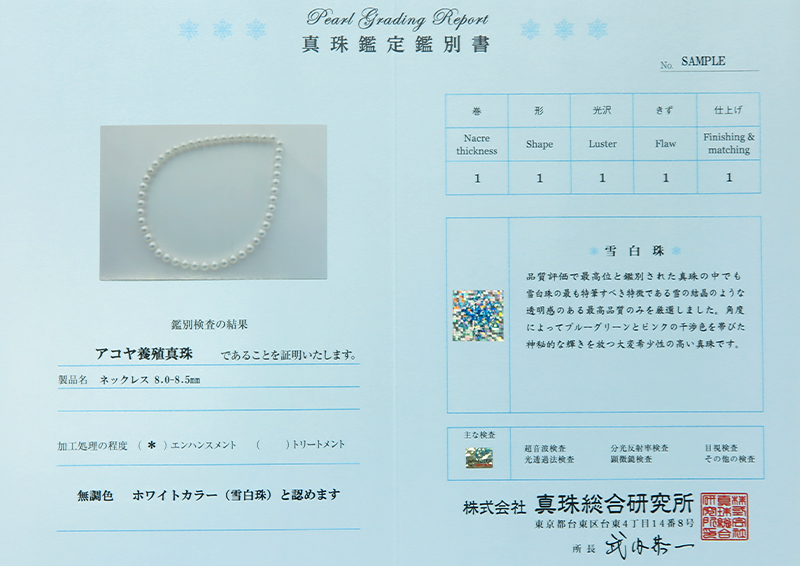
作為一種可再生的有機寶石,澳白珍珠一直以來都因其“高價”而備受爭議,在如今市場需求高漲價格狂飆的背景下,這樣的聲音更是充斥在各大平台。但聚焦到澳白本身,它高貴冷艷的氣質仍是珍珠界中不可替代的存在,“晶瑩凝重,圓潤多彩”,自古以來一直備受女性喜愛,如果你也想買一串屬於自己的澳白珍珠,歡迎找我們為您挑選把關。以下為真科研證書對澳白珠串的分級【圖片為本公司所有,盜圖必究】 When talking about South Sea white pearls, the first reaction is: expensive, large, and low production. The mother oyster of South Sea white pearls is the white-lipped oyster (Pinctada maxima). The mother oyster itself is relatively large, so the overall diameter of white pearls is generally above 10mm, mostly between 10-13mm. Those below 10mm and between 16-18mm are relatively rare. Its mother oyster has a very long gestation period, generally cultured for 5 years. South Sea white pearls are also the rarest cultured pearls in the world. Production has dropped sharply, prices are high The white-lipped oyster has very high requirements for water quality and climate. Poor water quality will directly affect the production of South Sea white pearls. The three major producing areas of South Sea white pearls are the northwestern waters of Australia, Indonesia, and the Philippines. Among them, Australian South Sea pearls are only produced in a small part of the northwestern coast of Australia. This area is sparsely populated, with pure water quality, suitable water temperature, open bays, and rare typhoons. The excellent water environment is very conducive to producing white-lipped oysters that yield the highest quality pearls, so Australian South Sea pearls are the finest among South Sea pearls. Our South Sea white pearls are also all produced from "Australian South Sea," also known as "Australian white pearls." Due to environmental pollution, the sea areas suitable for pearl farming are now decreasing day by day, which is also the reason why the market price of Australian South Sea pearls remains high. Why are Australian white pearls so rare and precious? In recent years, with the continuous development of e-commerce livestreaming sales models, the popularity of Australian white pearls has continued to soar. Since the beginning of 2023, topics related to Australian white pearls have frequently appeared on trending searches on major platforms, triggering wave after wave of pearl-buying trends. At present, market demand exceeds supply, and prices have risen accordingly. "Things are precious when they are rare" — this saying could not be more suitable when applied to Australian white pearls. Every Australian white pearl is hard-earned. It not only embodies the labor of the mother oyster, but also the dedicated efforts of every worker. Unlike the mother mussels of freshwater pearls, the white-lipped oysters that gestate Australian white pearls are very difficult to obtain through artificial breeding. Most can only be caught from the ocean. Therefore, a large number of divers are needed to dive into the sea to find suitable white-lipped oysters, and labor costs are extremely high. Why are Australian white pearls so rare and precious? At the same time, the Australian government has set strict quotas on the harvesting of mother oysters. Only a certain number of white-lipped oysters can be harvested each year to maintain ecological balance. In addition, the white-lipped oyster also has the longest growth cycle among all pearl oysters, generally more than five years, and the vast majority of mother oysters can only produce one pearl in their lifetime. It is clear that every Australian white pearl is precious and rare. The white-lipped oyster has extremely demanding requirements for its growing environment. It needs to grow in clear and pure waters with suitable temperature and a rich environment. Only Australian white pearls grown in such an environment can have brilliant luster and a fine, smooth surface. Therefore, whether selecting or maintaining farms for Australian white pearl cultivation, great attention is paid to every detail. During the process of gestating Australian white pearls, workers also need to continuously monitor water quality and water temperature to ensure that the salinity and temperature of the seawater remain within the comfortable range for the white-lipped oyster. But even with careful care, only about 83% of mother oysters can successfully gestate Australian white pearls, and among that 83%, only a small portion produce high-quality round pearls. Compared with the output of other pearls, the production of Australian white pearls is extremely scarce. Its output is about 1/4 that of South Sea golden pearls, 1/9 that of Tahitian black pearls, and 1/50 that of Akoya pearls. Its rarity is evident at a glance. Paspaley is one of the world's largest Australian white pearl brands and farming companies, accounting for 85% of global Australian white pearl production. The company's name is synonymous with high-quality Australian white pearls. It has driven many revolutionary advances in the pearl industry and has also changed the position of pearls within the entire jewelry industry. Australia is the only country in the world still using wild pearl mother oysters to cultivate pearls. The main reason is that the large pearl oyster is very sensitive to the environment, and both the survival rate of artificially bred mother oysters and the pearl output ratio are relatively low. Peter Bracher, Executive Director of the Paspaley Group, introduced: "In order to ensure the sustainability of shell collection and maximize protection of the environment of the large pearl oyster's natural habitat, wild large pearl oysters are manually collected by divers, and can only be collected in designated areas and at specific sizes (usually 120-165mm). This is an environmentally friendly and sustainable commercial fishing model that will not cause damage to the seabed or generate waste." The Australian pearl industry adopts a government-regulated quota system, which stipulates the maximum number of wild large pearl oysters that can be harvested each year. The main harvesting location for wild large pearl oysters is Eighty Mile Beach south of Broome in Western Australia. Here, divers descend to depths of more than 30 meters for manual harvesting. Factors affecting pearl prices Several factors to consider when purchasing South Sea pearls ① Overtone The color of South Sea white pearls is mainly white, accompanied by a small amount of derivative colors. Because the waters where they grow are clear, natural white pearls have excellent luster. ② Luster In the industry, pearls are generally classified into grades such as weak luster, medium luster, strong luster, very strong luster, and mirror-grade extremely strong luster. We can use the simplest "mirror test" method to judge: the clearer the reflected image, the better the luster. ③ Size Size mainly depends on personal preference. In addition to body shape, the occasion of wear should also be considered. Under the same luster and flaw level, the larger the pearl, the higher its value and the more expensive its price. This is because the longer the cultivation time, the higher the probability that the mother oyster will become diseased or die, and the greater the demands on its own carrying capacity. ④ Shape "Pearls round and jade lustrous" — the rounder the pearl, the rarer and more valuable it is. However, the shape of a pearl can usually only be distinguished at close range, so roundness is relatively placed after "skin luster." ⑤ Flaws "No pearl is without flaws." Natural pearls all have flaws. What we usually call flawless refers to pearls that can be made into jewelry when observed with the "naked eye," and flaws generally can only be observed at close range. Moreover, if perfect flawlessness is required, one must pay an excessively high price. When the budget is limited, it is not advisable to be overly concerned about flaws.As a organic gemstone, Australian white pearls have long been controversial because of their "high price." Against the backdrop of soaring market demand and skyrocketing prices today, such voices are even more prevalent across major platforms. But when we focus on Australian white pearls themselves, their noble and coolly elegant temperament remains an irreplaceable presence in the pearl world. "Dignified, round and lustrous with rich colors" — since ancient times, they have always been deeply loved by women. If you also want to buy a strand of Australian white pearls of your own, you are welcome to contact us to select and quality-check them for you.
Read More