For many friends who are new to pearls, they don't know how to choose pearls. For beginners, simply keeping the following points in mind is enough! 💡
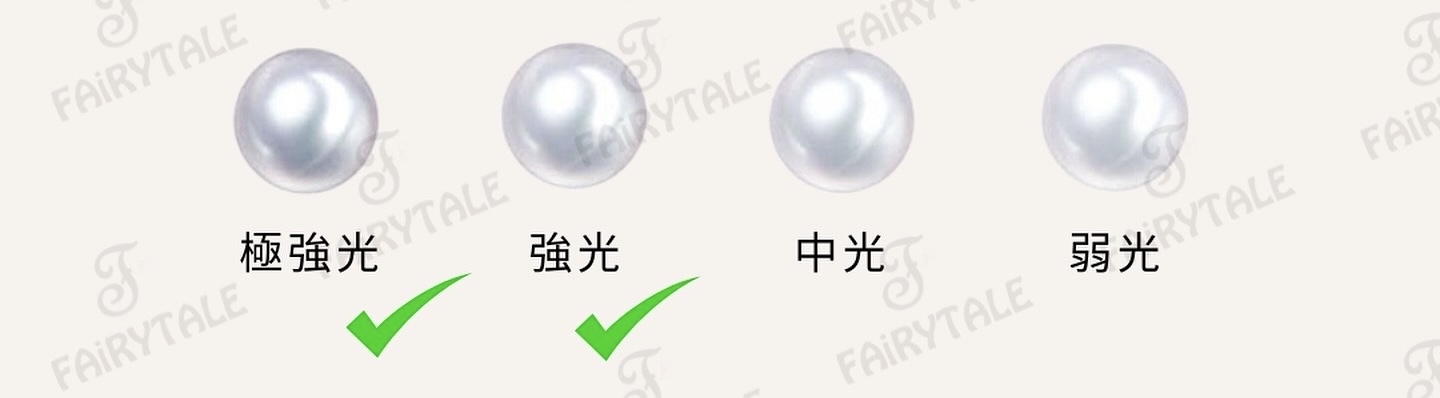
When buying pearls, the first thing to look at is pearl luster! What you wear pearls for is their pearlescent luster. Good pearls present a rich, layered luster, while pearls with poor luster are like dead fish eyes—you'd be better off not wearing them at all. The luster of saltwater pearls is more brilliant than that of freshwater pearls, and some can be like "little light bulbs." Beginners should avoid buying dull, lusterless ones!
When buying pearls, the first thing to look at is pearl luster! How do you assess pearl luster? Treat the pearl as a mirror and look directly at the reflection in it. The clearer the reflection, the stronger the luster. The better the luster, the more expensive the pearl!
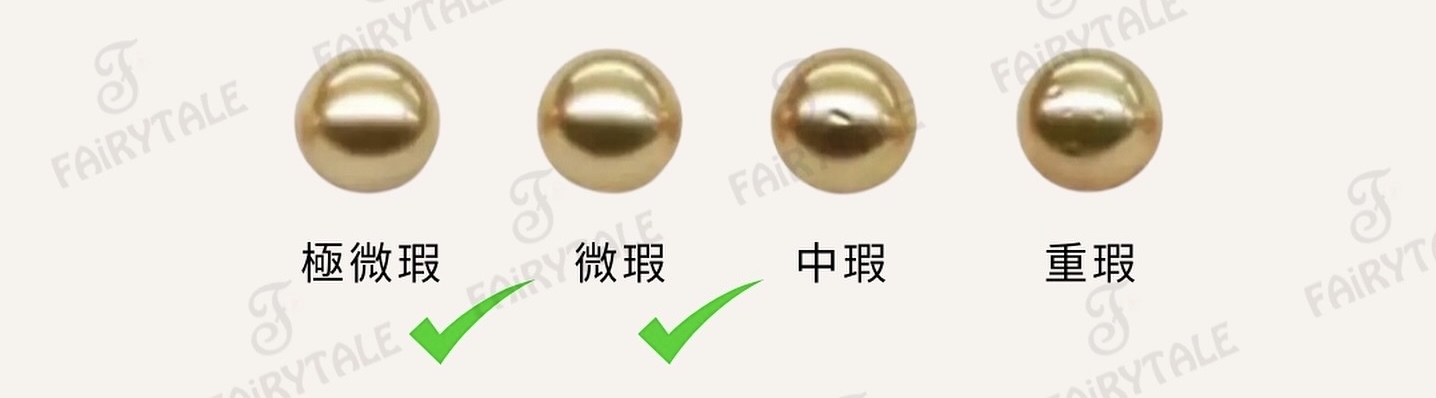
Next, look at the degree of flaws! As the saying goes, "No pearl is without flaw." Pearls are formed in natural environments, so it is very normal to have flaws. Common flaws include growth lines, pits, and spots. The flaw degree of pearls is classified as extremely minor flaws, minor flaws, moderate flaws, and heavy flaws. It is recommended to choose pearls with extremely minor flaws or minor flaws—at a normal social distance, these flaws cannot be seen. The smoother the pearl's surface, the higher the price!
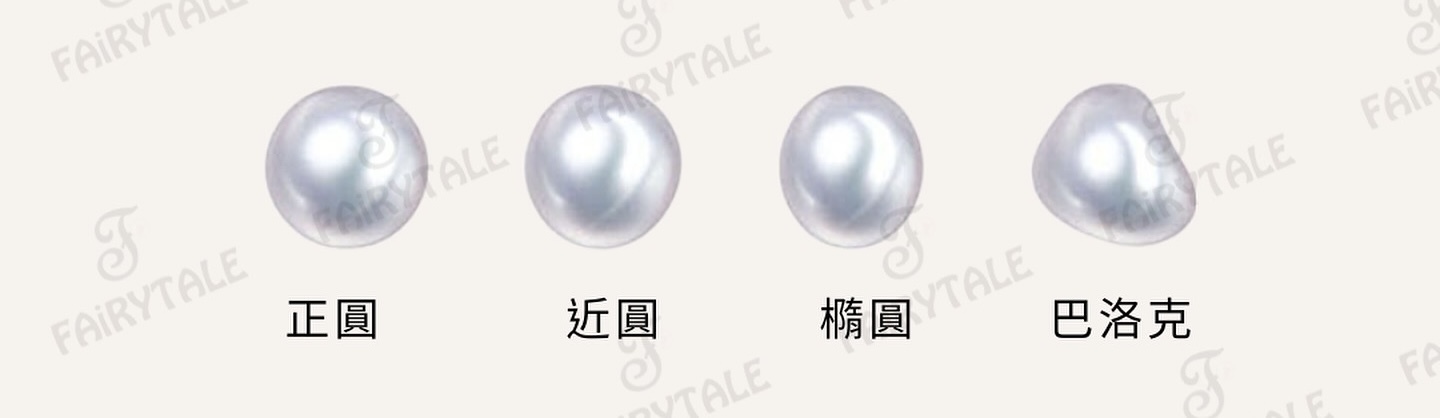
Choose the pearl shape you like. Many friends who are new to pearls still think of pearls only as "round." In fact, pearls come in many shapes, including oval and Baroque (irregular), among others.
Pearl shapes: We can choose the shape we like, but from the perspective of pearl value standards, the higher the roundness, the better the quality (for pearls of other shapes, the higher the symmetry, the better the quality). Rounder pearls are indeed more valuable, but of course, the primary condition is always to look at pearl luster!
When buying pearls, mainly keep the first 3 factors in mind! 👆🏻
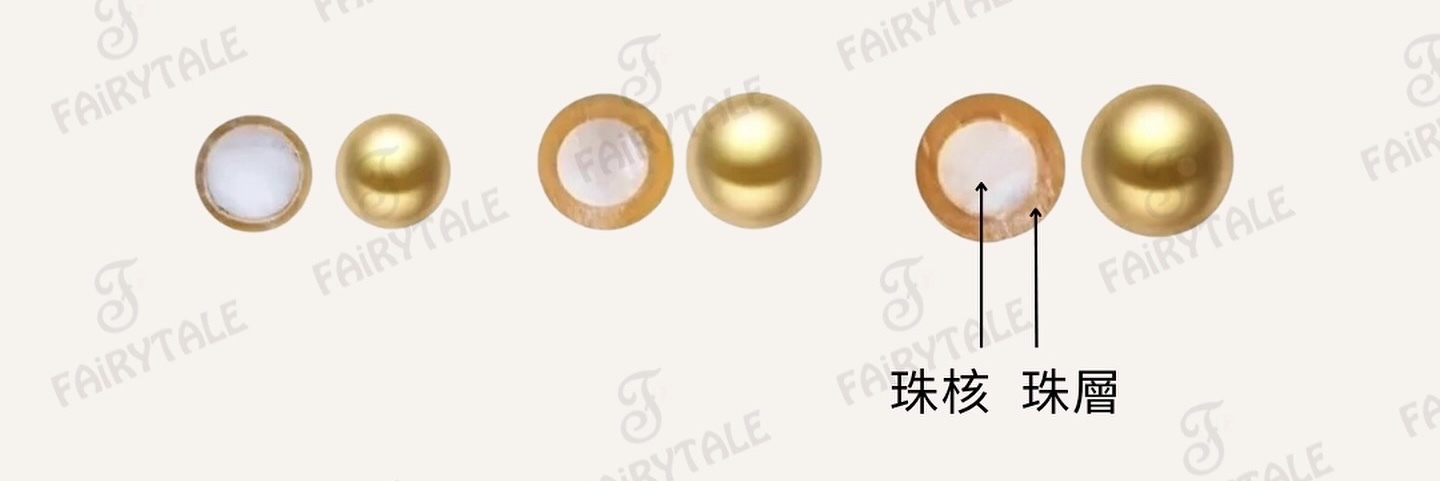
Nacre thickness The longer the pearl is cultured, the thicker the nacre. The nacre thickness of a pearl is directly related to the pearl's lifespan. Pearls with thicker nacre are more durable, last longer, and therefore have greater collectible and heritage value.
Please remember: the lifespan of a pearl is closely related to daily wear and maintenance!
The nacre thickness of different types of pearls also varies: Japanese Akoya: generally 0.2–0.5mm South Sea pearls: generally 0.8–3mm Tahitian pearls: generally 0.8–3mm
Thicker nacre = better luster? Wrong! There is no direct proportional relationship between nacre thickness and pearl luster. Consumers do not need to excessively pursue pearls with thick nacre.Nacre thickness cannot be judged with the naked eye. If you are buying pearls with certificates, some certificates will note the pearl's nacre thickness.