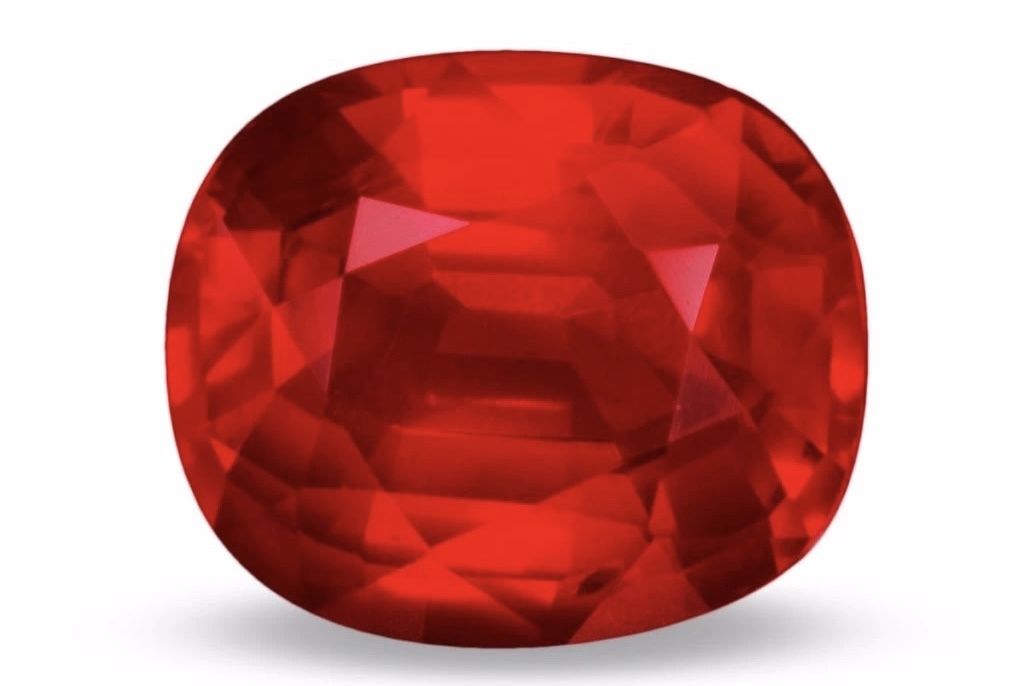
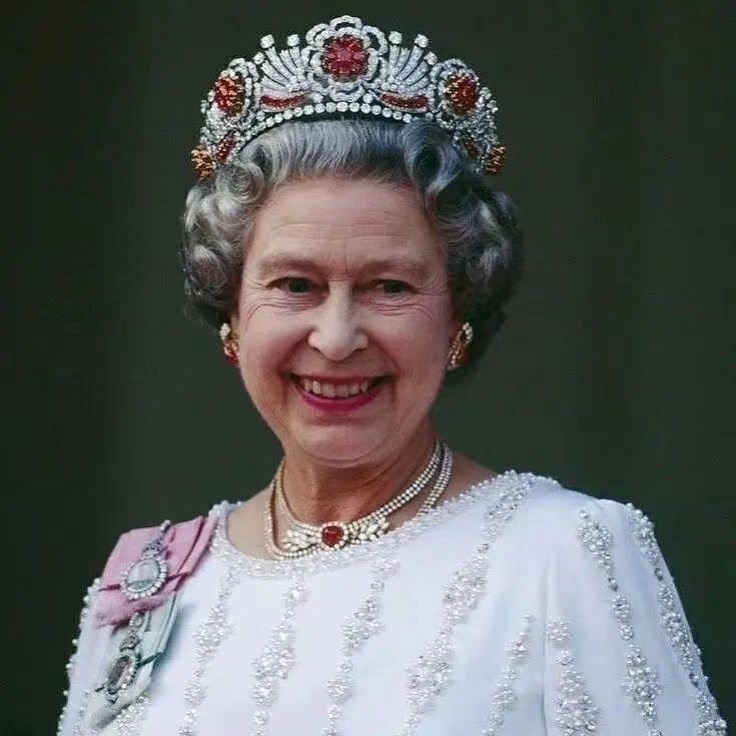
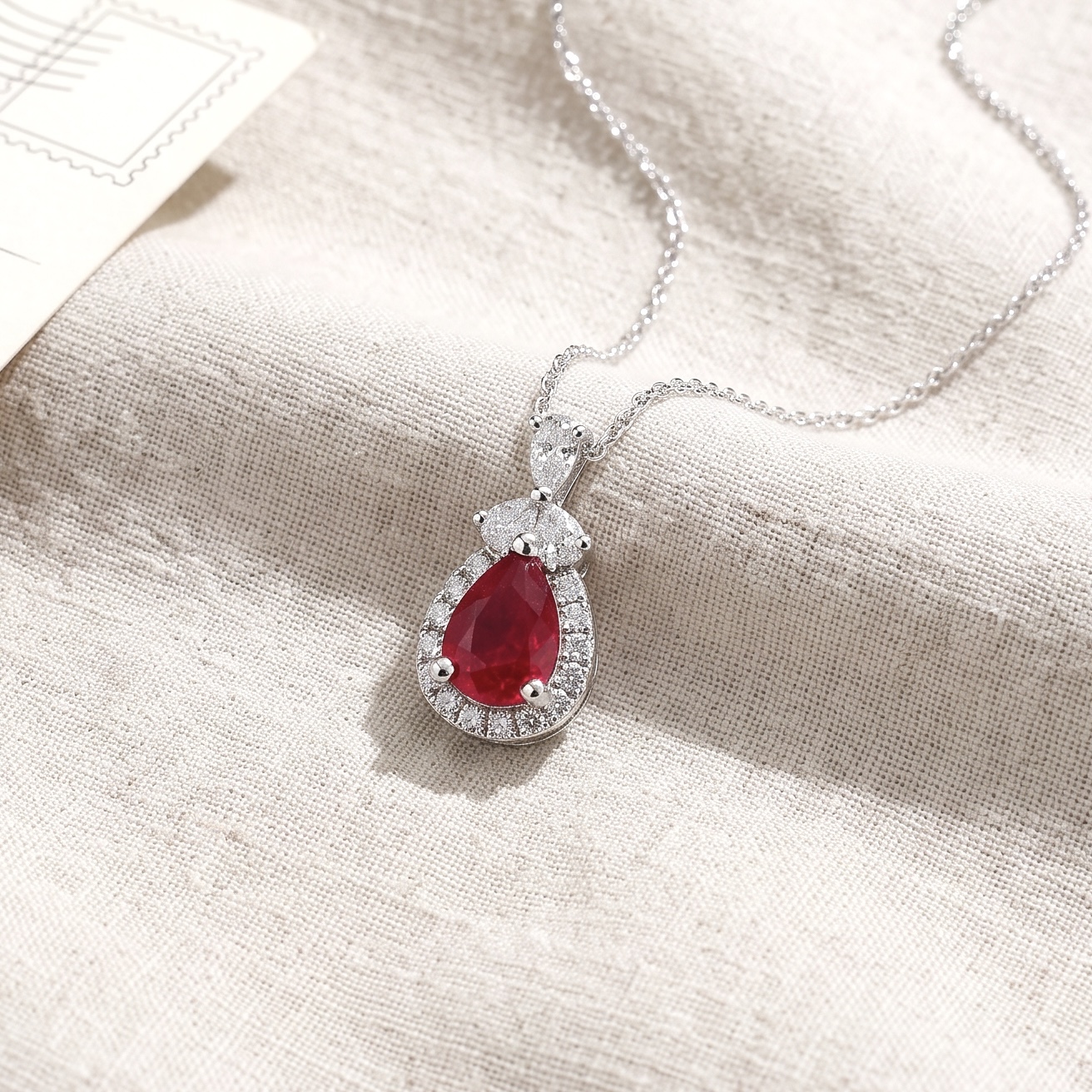
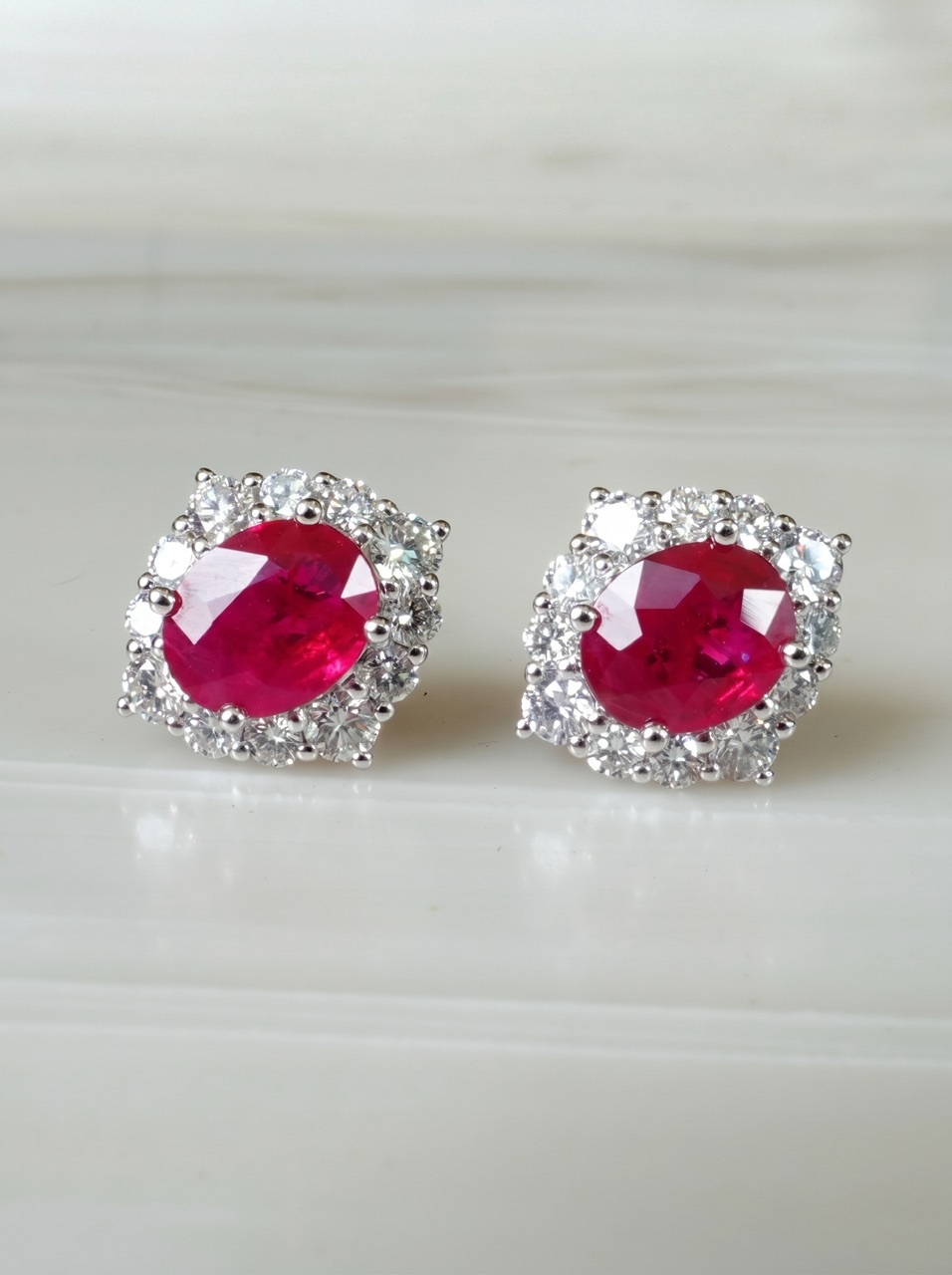
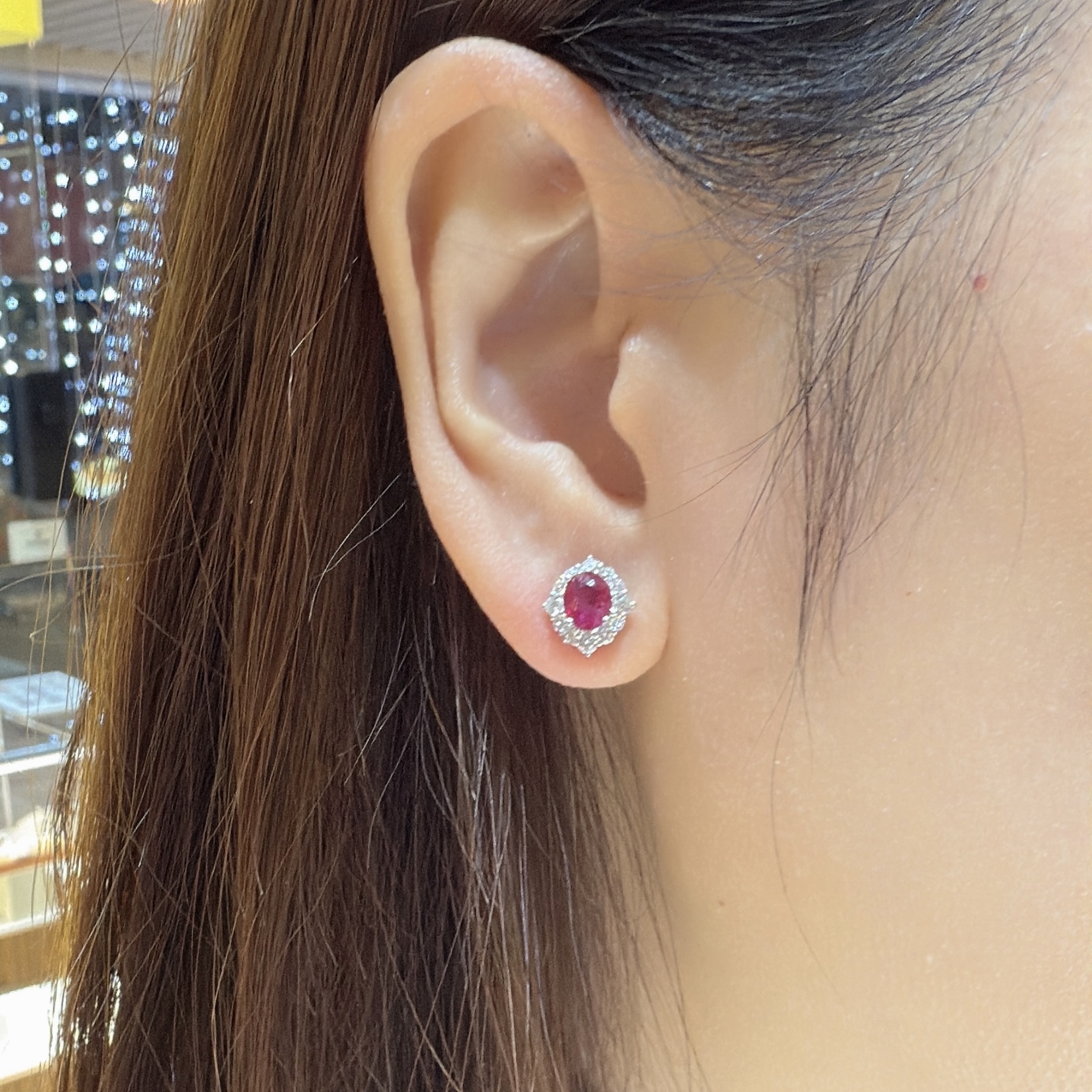
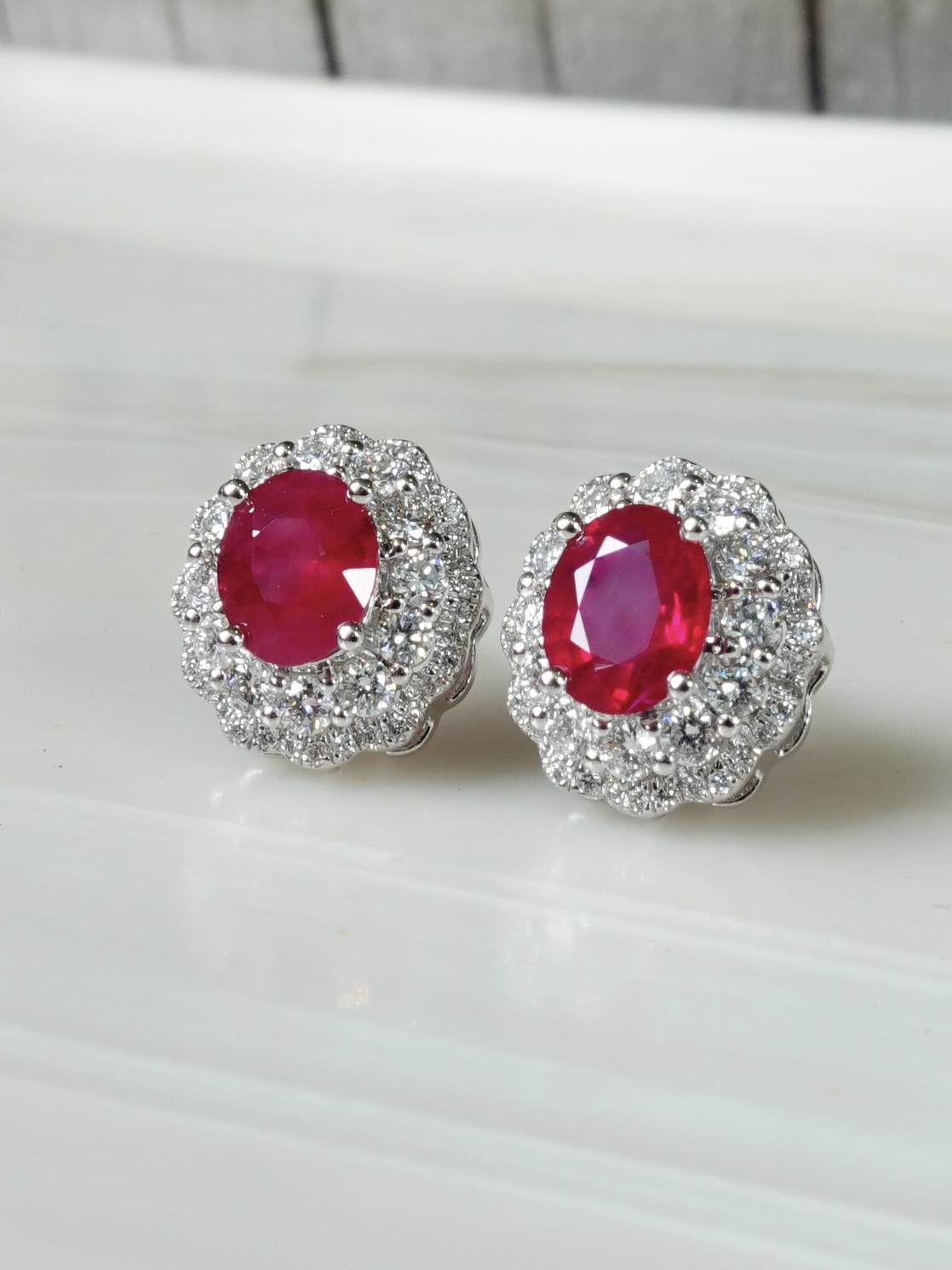
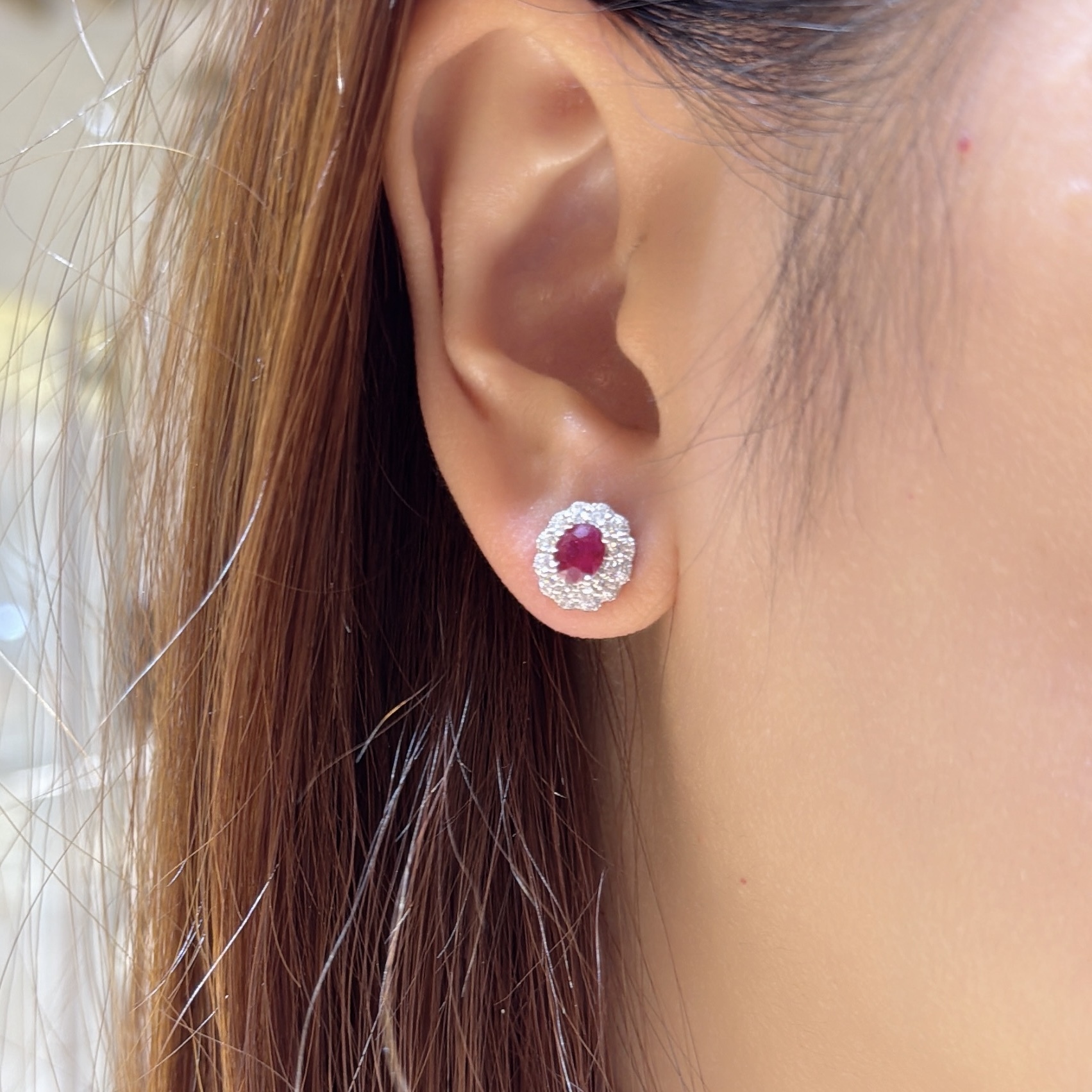
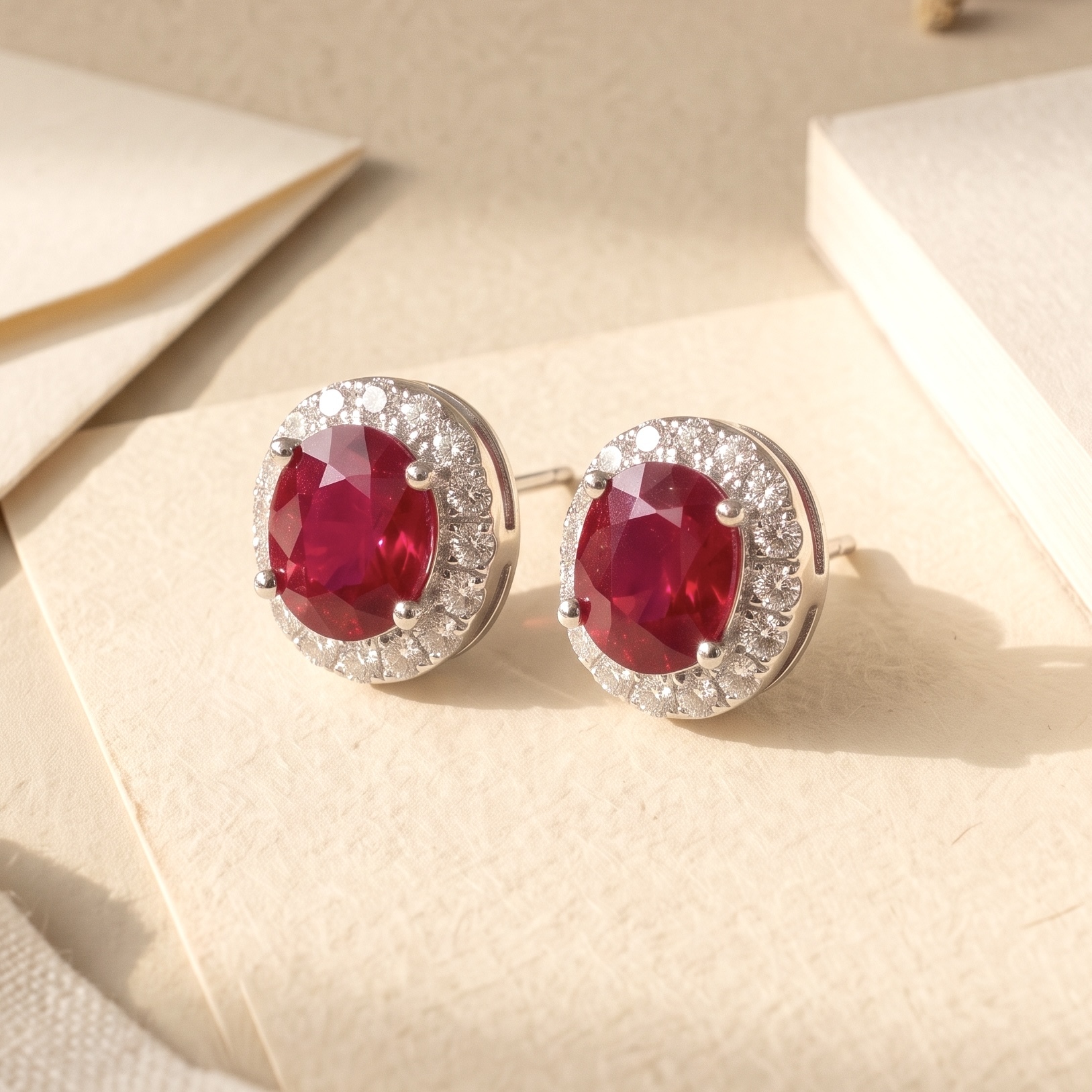
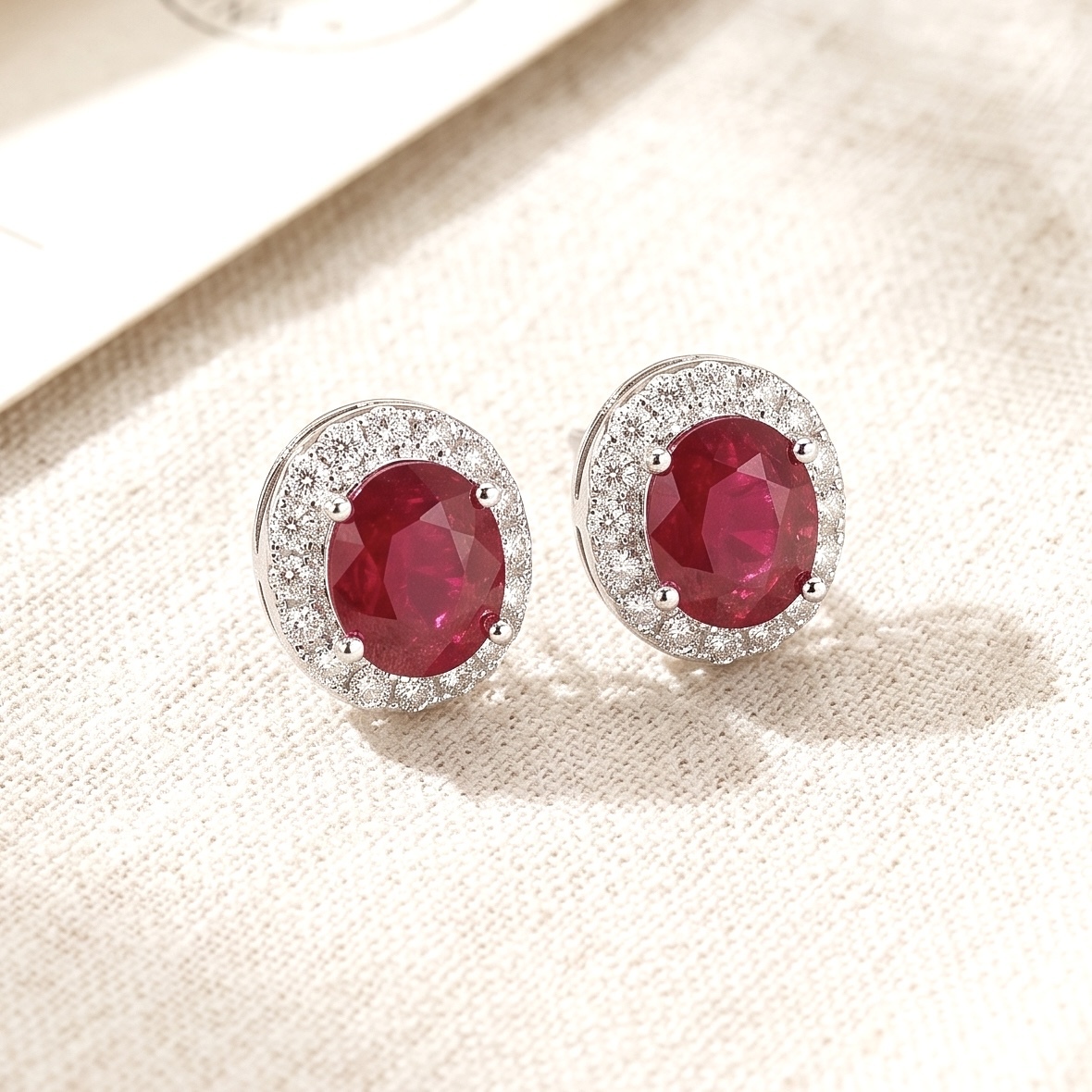
Ruby has long been known as the "King of Gemstones," not only because of its rare output and irreplaceable color, but more importantly because ruby has been a symbol of royal power since ancient times. Whether it is the British crown representing the queen's ruling authority, or the top-rank official hats of ancient civil servants, all are set with rubies. In terms of value, in the trading world of the five major gemstones, ruby can be said to crush other gemstones.
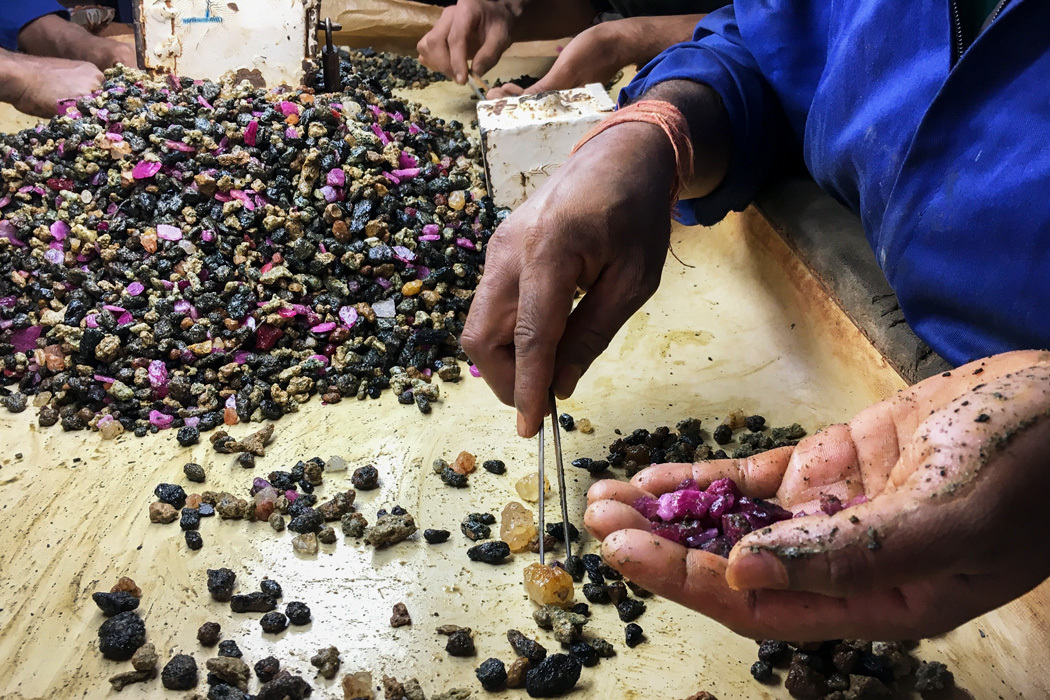
The world's largest ruby mine today is the Montepuez ruby mine in Mozambique, Africa. It was formed 500 million years ago, even 250 million years older than the previously most famous Burmese ruby.
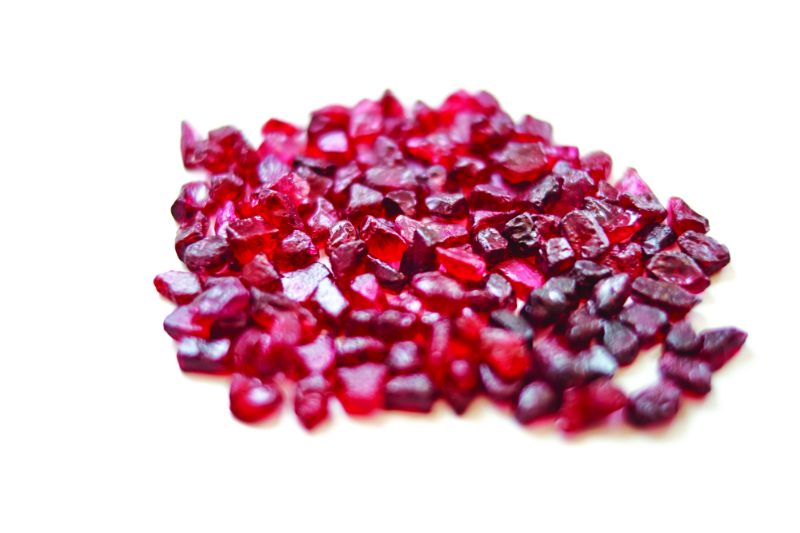
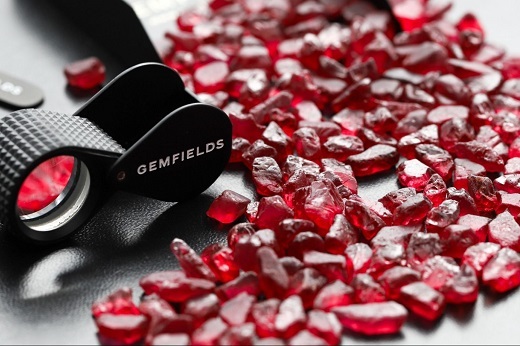
According to data released last year by Gemfields, the owner of the mine, the quality of ruby rough shows a pyramid-shaped distribution. The ruby rough at the bottom of the pyramid is very poor, worth only 0.02 USD per gram; however, the ruby rough at the top of the pyramid is worth as much as 400,000 USD per gram, that is, USD 80,000/CT. These top ruby roughs flow into various channels through auctions/trading and other means, and enter our sight after cutting, polishing, setting, and other processes.
In world auction records, ruby auction prices are even more astonishing, reaching USD 1.2 million/CT. The prices of other gemstones differ from ruby by as much as 3–4 times. This makes it understandable why ruby is far more expensive than other gemstones—because it has already been decided from the source!
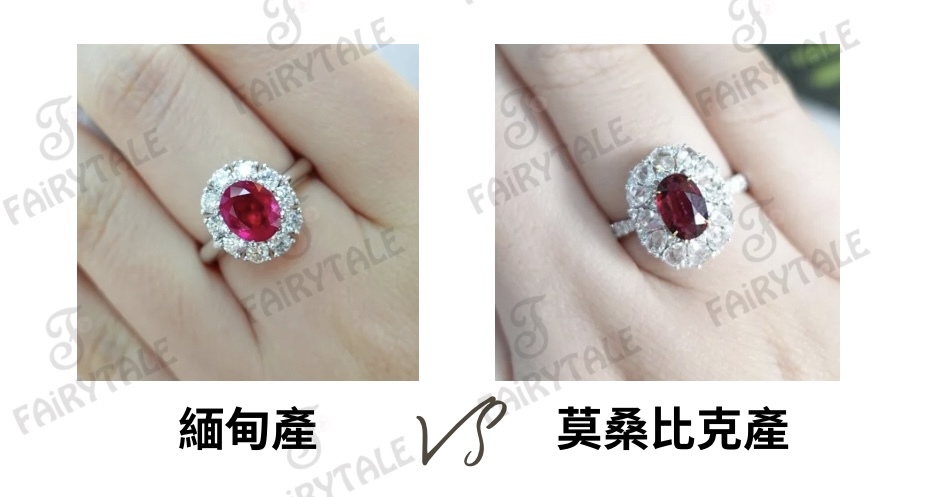
Origins of ruby: Burmese rubies generally have more inclusions and a velvety feel, and because of their relatively high chromium content, their fluorescence is stronger. Burmese rubies hold an important position in the international jewelry market. Certificate institutions name the highest color grade Pigeon's Blood, which is a highly saturated red.
Mozambican rubies generally have relatively clean crystals, but because of their relatively high iron content, their color is relatively dark and dull. However, rubies from different origins also differ in high and low quality, and the quality of a gemstone cannot be judged by origin alone.
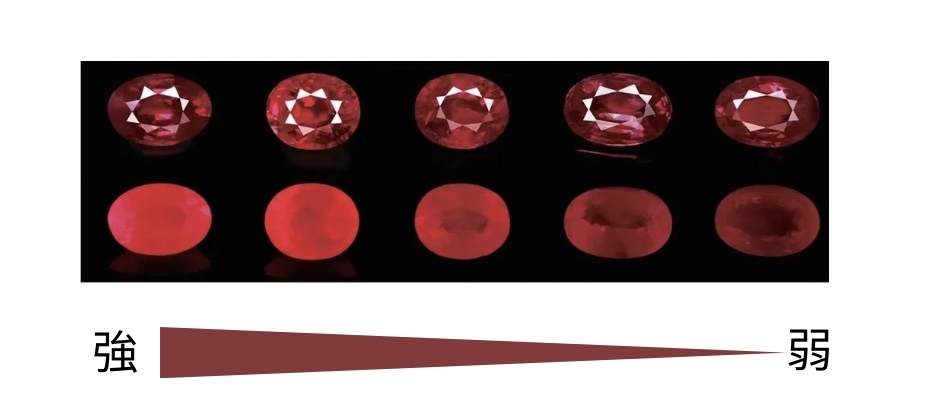
Fluorescence reaction of ruby: The element chromium (Cr) gives ruby its beautiful red color, while the element iron (Fe) darkens the ruby's color. The strength of a ruby's ultraviolet fluorescence is mainly related to the iron-chromium ratio (Fe/Cr). Chromium can cause fluorescence, while iron has an inhibitory effect on ultraviolet fluorescence.
Whether a gemstone is high quality and beautiful is the first priority when choosing a gemstone. Strong fluorescence will, to a certain extent, help increase a ruby's value, but it is not absolute. If a ruby has strong fluorescence, is pigeon's blood red, and has a pure red color, its value will not be low; but if the ruby's color is rose red, even if it has strong fluorescence, its value will be greatly reduced. After all, a ruby's color is its life. When buying a ruby, do not be overly fixated on the strong fluorescence effect. You should comprehensively consider its color, clarity, size, etc., and focus on the ruby's quality.